What Is a Vertical Labret Piercing?
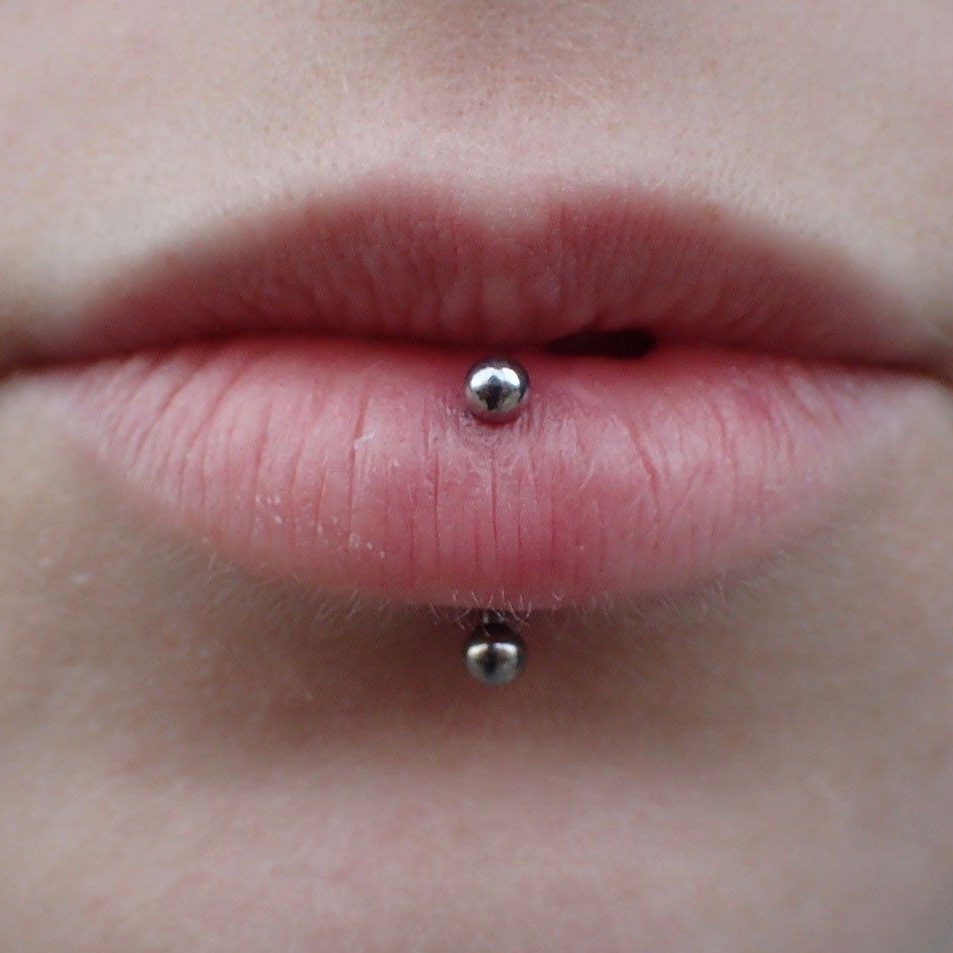
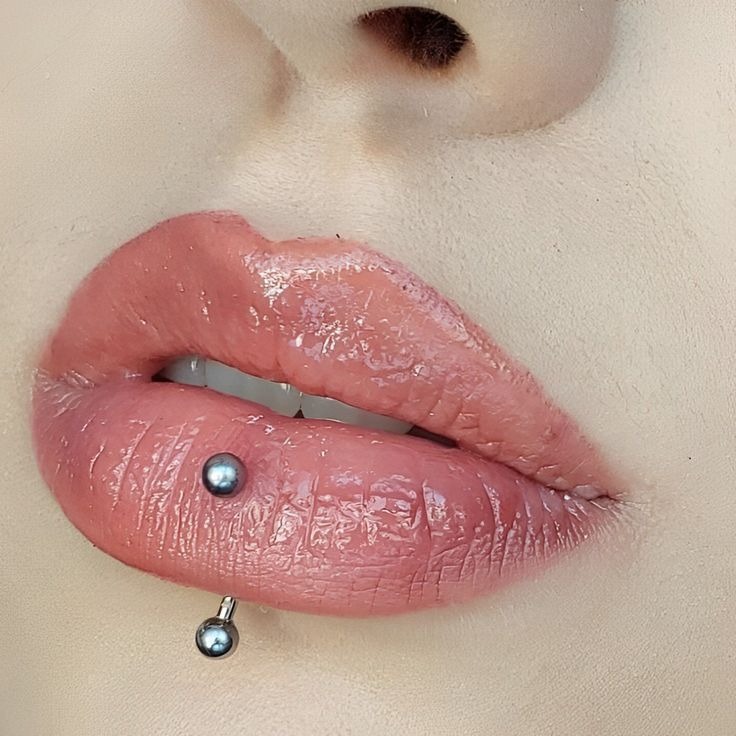
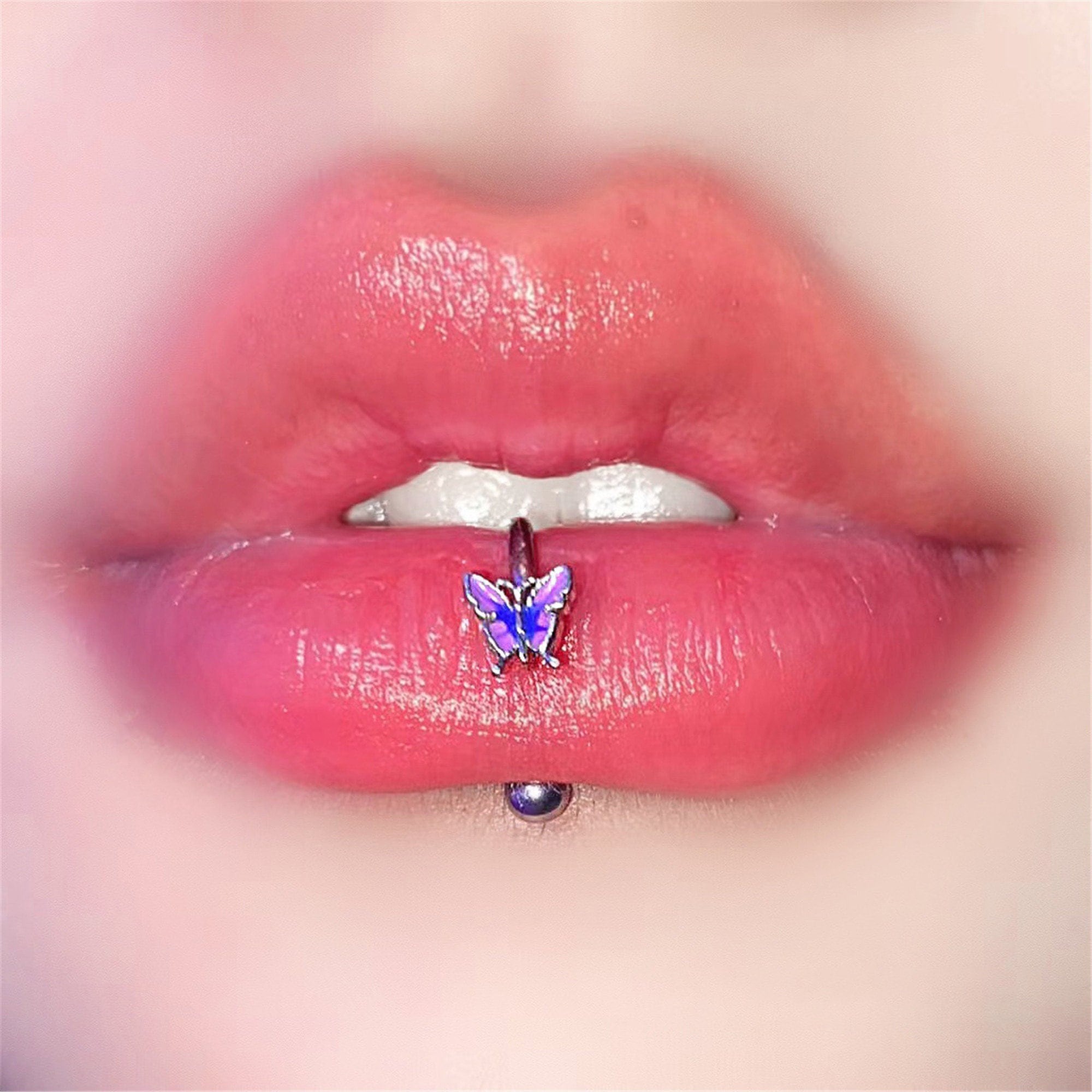
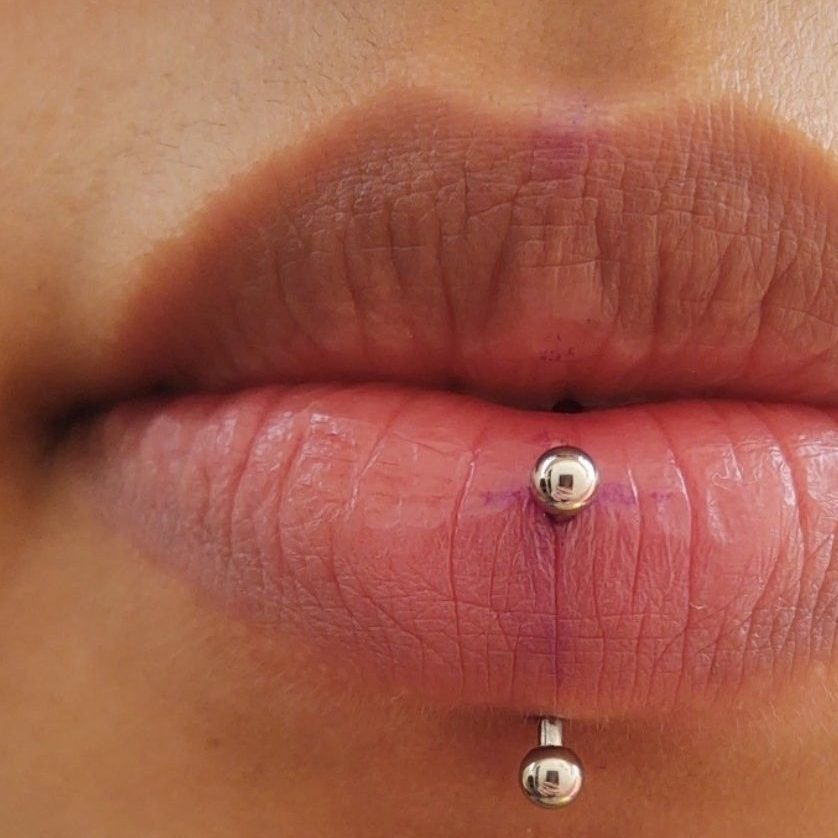
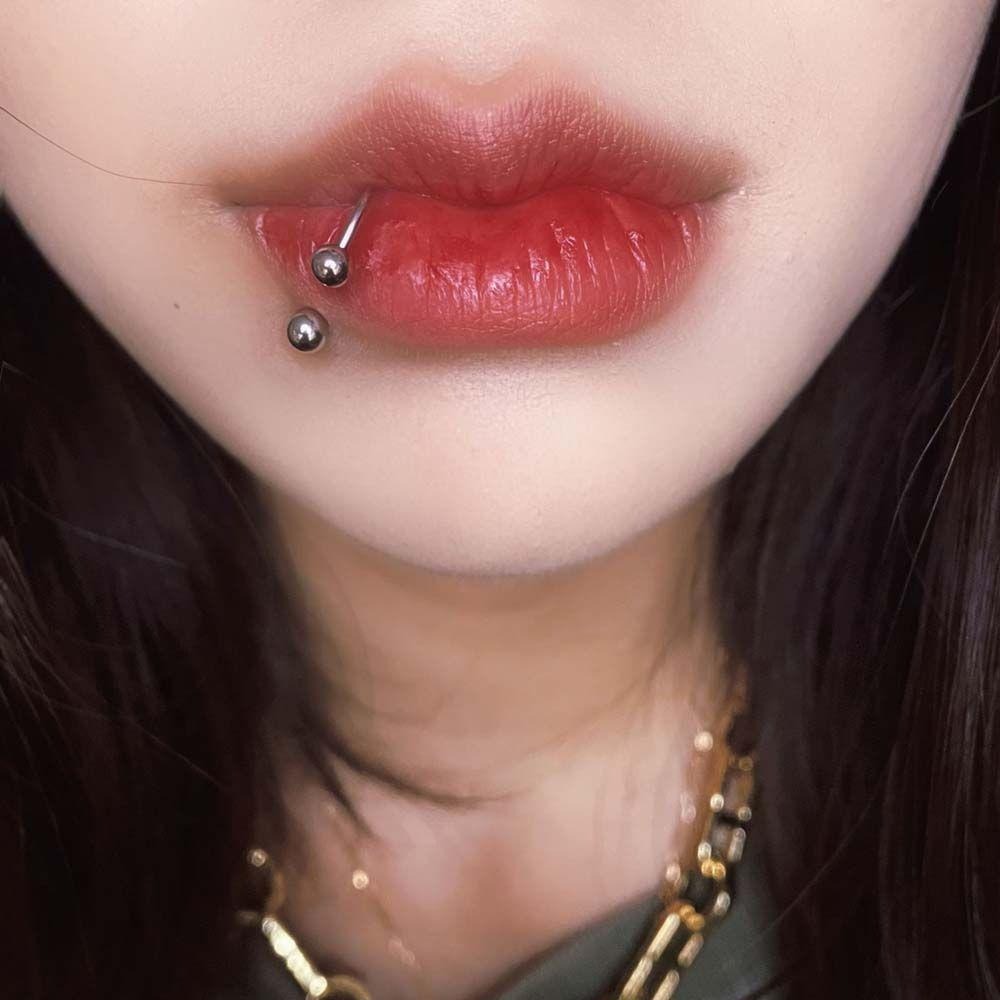
A vertical labret piercing passes through the lower lip. It enters below the lip and exits above. The jewelry hangs vertically. Most people wear a barbell style piece. This creates a small visible loop or curve.
The look stands out more than standard piercings. It draws attention to the mouth area. Many choose it for its bold appearance. Others appreciate the unique symmetry. Placement varies slightly from person to person.
This type of piercing differs from horizontal ones. A regular labret sits flat along the lip line. But a vertical labret moves up at an angle. That increases the chance of contact with teeth. Constant touching may lead to problems over time.
People often ask, Can a vertical labret damage teeth? The answer depends on several factors. Jewelry material matters. So does placement and daily habits. Some users experience no issues. Others notice changes after months of wear.
Healing time also plays a role. Fresh piercings shift slightly during recovery. The body adjusts to the foreign object. Movement increases friction near teeth. Careful monitoring helps reduce risks early.
Jewelry size influences pressure too. Longer bars may swing freely. They tap against enamel more often. Shorter rods fit snugly but can pinch. Finding balance is key. Professional advice guides safe choices.
 How Tooth Contact Occurs with Vertical Labrets
Natural Jaw Movements and Jewelry Interaction
Can a vertical labret damage teeth? Every time you talk, chew, or yawn, your jaw moves. These motions cause the jewelry to shift. A vertical labret bar swings forward and back. It may lightly hit the inside of your teeth.
Even subtle touches add up over time. Thousands of micro-impacts happen each day. Enamel wears down slowly. You might not notice at first. Damage builds silently beneath the surface.
Teeth grinding worsens this effect. Some people clench at night. Others do it when stressed. The constant pressure speeds up wear. The lower front teeth face the most risk.
Also, tongue habits contribute. Pushing the jewelry with your tongue keeps it in motion. Repeated tapping causes chipping. Over years, small cracks may form. Sensitivity could follow.
Jewelry Position and Angle Variations
Not all vertical labrets sit the same way. Placement affects how close the metal gets to teeth. If the exit point is too high, the top ball rests near gums. That increases tooth contact.
Angled piercings change impact zones. One side might rub more than the other. Asymmetry leads to uneven wear. One tooth suffers more than its neighbors.
Bar length plays a big role. Long bars move more freely. They have greater range of motion. Each swing brings them closer to enamel. Shorter bars limit movement. But they must not pinch the tissue.
Professional piercers measure carefully. They aim for ideal positioning. Still, swelling after the procedure alters fit. Initial placement shifts as healing occurs. Follow-up checks help adjust if needed.
Choosing the right jewelry reduces risk. Smooth surfaces glide better. Hard materials like titanium resist deformation. Flexible PTFE options exist for sensitive cases. Material choice supports long-term safety.
 Types of Dental Damage That May Occur
Enamel Erosion and Chipping
Tooth enamel is strong but not indestructible. Repeated contact with metal weakens it. Tiny fractures appear first. Then chips develop at the edges. Front teeth show damage earliest.
Once enamel breaks, it does not grow back. The tooth loses natural protection. Exposed dentin increases sensitivity. Hot and cold foods become uncomfortable. Pain may follow without treatment.
Chips can deepen over time. Larger pieces break off during chewing. Sharp edges form. These irritate the tongue and lips. Dental visits become necessary for smoothing or filling.
Cosmetic concerns also arise. Gaps or rough spots affect smiles. Confidence drops when appearance changes. Restorative work costs money and time. Prevention is far easier than repair.
Some people switch to white composite fillings. These match tooth color. However, they still indicate prior damage. The goal should be avoiding harm altogether.
Gum Recession and Irritation
Metal constantly pressing on gum tissue causes problems. The upper entry point sits close to the gumline. Swelling during healing adds pressure. Long-term contact leads to recession.
Gums pull back from the tooth. Roots become exposed. This leads to temperature sensitivity. It also raises the risk of decay. Root surfaces lack enamel. They decay faster when touched by acid or bacteria.
Irritation turns into chronic inflammation. Bleeding may occur during brushing. Discomfort grows with prolonged wear. Infections are possible if hygiene slips.
Soft tissue damage affects overall oral health. Periodontal care becomes more important. Regular cleanings help slow progression. But removing the source is best.
Switching to shorter or flexible jewelry helps. So does changing habits. Avoid playing with the piercing. Let it rest when possible. Reduce unnecessary movement.
Factors That Influence Risk Levels
Jewelry Material and Design Choices
Not all metals behave the same way. Harder materials like stainless steel or titanium last longer. But they are tougher on teeth. Softer options like PTFE or bioplast reduce impact.
PTFE feels smooth against enamel. It bends slightly under pressure. This absorbs shock instead of transferring force. Many dentists recommend it for active piercings.
Barbell shape matters too. Straight bars move predictably. Curved ones may rotate. Rotating motion increases unpredictable contact. Fixed ends prevent spinning and sliding.
Balls on the ends should be smooth. No sharp edges or grooves. Threaded parts must fit tightly. Loose balls can fall off. Swallowing or inhaling them is dangerous.
Size and weight influence pressure. Heavy charms increase force. Lighter pieces reduce strain. Simplicity supports safety. Avoid dangling extras near teeth.
 Personal Oral Habits and Anatomy
Everyone’s mouth is different. Some have naturally aligned teeth. Others have gaps or crowding. Misaligned bites increase contact chances. Overbites push lower lip jewelry toward upper teeth.
Habits play a major role. Constantly touching the piercing with the tongue keeps it moving. Talking fast or loudly increases swings. Eating crunchy foods adds vibration.
Grinding teeth multiplies risk. Bruxism happens during sleep. Mouthguards help. But wearing one with a piercing is tricky. Removal at night may be safer.
Saliva flow affects irritation. Dry mouths increase friction. Hydration helps protect tissues. Drinking water regularly supports healing and comfort.
Awareness reduces damage. Pay attention to how often you touch it. Break unconscious behaviors early. Replace bad habits with mindful control.
Preventive Measures and Safe Practices
Choosing Safer Jewelry Options
Start with biocompatible materials. Implant-grade titanium is excellent. Niobium works well too. Both resist corrosion and reactions.
Use shorter bars once healed. Less length means less swing. Reduced motion lowers tooth contact. Measure properly with a professional.
Consider flat-backed discs instead of balls. They lie flush against the gum. This minimizes protrusion. Less sticking out means fewer collisions.
Switch to PTFE for daily wear. Save metal for special occasions. Rotate usage based on activity. Remove when sleeping or eating hard foods.
Clean jewelry regularly. Buildup attracts bacteria. Infections delay healing. Use saline soaks and gentle cleaning methods. Avoid alcohol-based products.
Visit your piercer for checkups. They assess fit and alignment. Adjustments prevent future issues. Early fixes save bigger problems later.
 Maintaining Excellent Oral Hygiene
Brush teeth gently twice a day. Use soft-bristled brushes. Hard bristles damage gums further. Focus on areas near the piercing.
Floss daily to remove trapped food. Rinse with alcohol-free mouthwash. It kills germs without drying tissue. Saltwater rinses soothe irritation.
See your dentist regularly. Mention the piercing during exams. They monitor for early signs of wear. Catching chips early prevents escalation.
Stay hydrated. Water washes away acids and sugars. It supports healthy saliva production. Saliva protects enamel naturally.
Avoid sticky, hard, or acidic foods. They increase risk during meals. Chew carefully. Take small bites. Be mindful of jaw movements.
Stop playing with the jewelry. Keep fingers and tongue away. Unconscious tapping causes cumulative harm. Awareness prevents long-term damage.
Frequently Asked Questions About Can a Vertical Labret Damage Teeth
Can a vertical labret cause permanent tooth damage?
Yes, it can. Repeated contact wears down enamel. Once lost, enamel does not regenerate. Chips and cracks require dental work.
Fillings or bonding restore shape. But the original strength is gone. Continued pressure may ruin repairs. Long-term exposure leads to serious issues.
Prevention is critical. Use softer materials. Limit movement. See professionals early. Stop habits that increase contact.
Removing the piercing halts further damage. Healing takes time. But teeth stabilize afterward. Early action prevents lasting harm.
Should I remove my vertical labret if I notice sensitivity?
Yes, consider removal if sensitivity appears. It signals underlying damage. Exposed dentin causes pain. Ignoring it worsens the condition.
Consult your dentist first. Get an exam. Find out how deep the wear is. Follow their recommendations closely.
You might switch to temporary non-metal jewelry. Or take a break from wearing anything. Let the area heal fully.
Reassess your goals. Beauty should not come at the cost of health. Balance self-expression with safety.
Is there a safe way to keep a vertical labret long-term?
Yes, with precautions. Choose PTFE or bioplast bars. Keep them short and smooth. Avoid heavy or loose parts.
Practice good oral hygiene. Visit dentists often. Monitor for changes. Act fast if problems arise.
Limit talking or chewing with the jewelry active. Remove it during sleep. Do not play with it using your tongue.
Accept that some risk remains. Even careful wearers face potential issues. Weigh benefits against possible costs.
Can orthodontic wax protect my teeth?
Temporarily, yes. Orthodontic wax cushions contact points. Apply it to the part that hits teeth.
It reduces immediate friction. Gives relief during flare-ups. Helps while seeking permanent solutions.
However, it is not a long-term fix. Wax falls off easily. It requires frequent reapplication. Not practical for daily use.
Better options include changing jewelry type. Or adjusting placement. Relying on wax delays real fixes.
 Final Thoughts on Can a Vertical Labret Damage Teeth
The question Can a vertical labret damage teeth has a clear answer. Yes, it can. Constant contact with hard jewelry harms enamel. Chips, cracks, and sensitivity develop over time.
Gum recession is another concern. Soft tissue suffers from ongoing pressure. Infections and inflammation may follow. Oral health declines without intervention.
Yet, risks can be managed. Choose safer materials like PTFE. Use shorter, smoother bars. Maintain excellent hygiene. Avoid bad habits.
Regular dental visits catch problems early. Professional guidance supports long-term safety. Awareness makes all the difference.
Self-expression matters. But health should not be sacrificed. Make informed choices. Protect your smile while enjoying your style.
So, to conclude—Can a vertical labret damage teeth? Absolutely. But with care, planning, and smart decisions, you can reduce harm. Balance beauty with wellness. Your teeth will thank you later.