Introduction
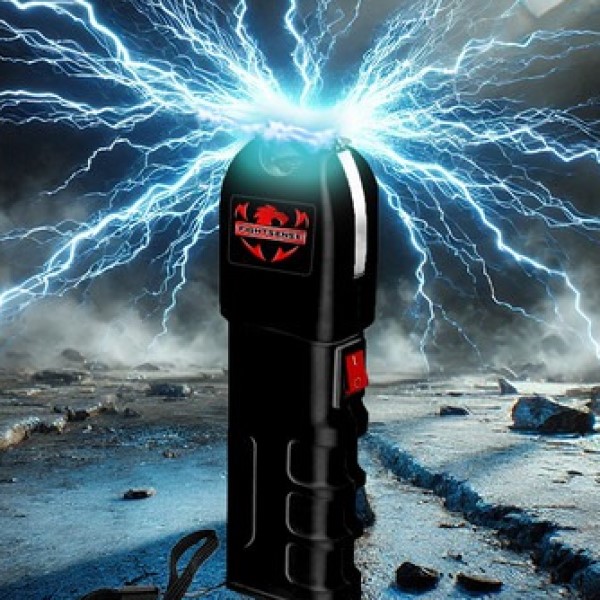
Stun guns have become increasingly popular as personal protection devices, especially in urban environments where safety concerns are heightened. Understanding the concept of stun gun voltage is crucial for anyone considering adding a stun gun to their self-defense arsenal. Stun guns work by delivering a high-voltage electric shock to incapacitate an attacker, and the voltage level plays a significant role in determining their effectiveness. Factors such as personal safety, laws, and technological advances all come into play when discussing stun gun voltage. This article will explore the importance of stun gun voltage, its implications for personal safety, and how to select the right device for your needs.
What Is Stun Gun Voltage?
Defining Voltage and Its Role
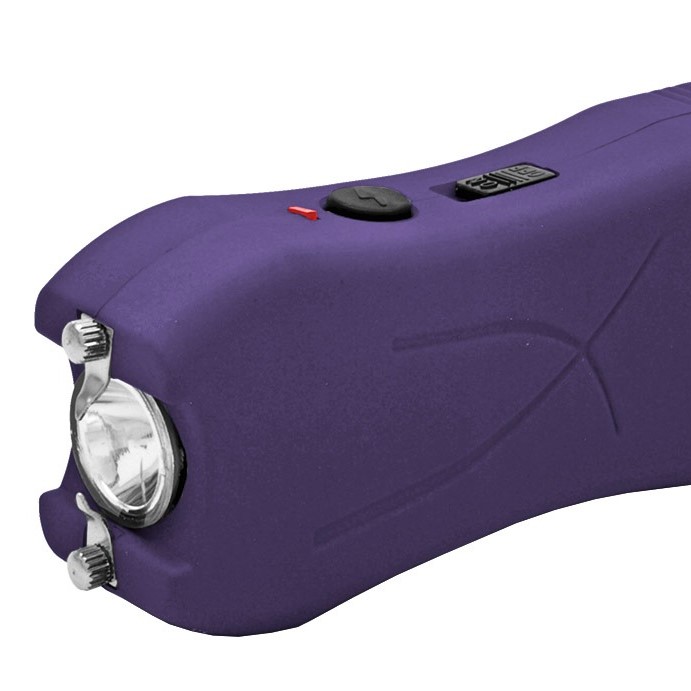
- Understanding Voltage: Voltage is the measure of electrical potential difference, and it’s expressed in volts (V). In stun guns, voltage is what allows the device to deliver an electric shock capable of incapacitating a target.
- Importance of High Voltage: Stun guns typically operate on a high-voltage system. The higher the voltage, the more powerful the shock that can be delivered. This is essential for effectively disrupting the nervous system of an assailant.
- Voltage Ratings in Stun Guns: Common stun guns usually range from as low as 50,000 volts to upwards of 1 million volts. Models that exceed 1 million volts are often marketed for their effectiveness and deterrent capabilities.
Voltage vs. Amperage
- Understanding Amperage: While voltage measures potential energy, amperage (A) refers to the current flow. This relationship is crucial as both factors determine the stun gun’s overall effectiveness.
- The Balance Between Voltage and Amperage: A stun gun with high voltage (e.g., 1 million volts) paired with low amperage (around 2-4 mA) can be effective for self-defense. High voltage induces pain and incapacitation during a short exposure time without causing severe injury.
- Testing Power: Manufacturers may advertise their stun guns’ voltage ratings, but effective use, especially for incapacitating an aggressor, also depends on the amperage. Therefore, understanding both metrics helps buyers choose the most suitable device.
The Significance of Voltage for Personal Protection
Effective Self-Defense Mechanism
- Choosing the Right Voltage: When selecting a stun gun, voltage should be a primary consideration. Many safety experts recommend a minimum of 100,000 volts for effective personal defense. This level provides a balance that is generally effective against most potential aggressors.
- Real-Life Application: In encounters where physical confrontation is imminent, stun guns with adequate voltage can mean the difference between effective self-defense and vulnerability. A stun gun must be capable of incapacitating an attacker quickly, thus providing you time to escape.
Safety Considerations
- Understanding Risks of High Voltage: While higher voltage may enhance incapacitation capabilities, there are risks involved. Extremely high-voltage stun guns may cause unintentional injuries. Therefore, understanding safe operational practices is crucial.
- Personal Responsibility: Individuals must be diligent about handling these devices properly. Avoid point-blank discharges unless necessary, and always familiarize yourself with the functioning and safety precautions of your device before carrying it.
Choosing the Right Stun Gun Voltage
Assessing Yourself and Your Environment
Personal Considerations
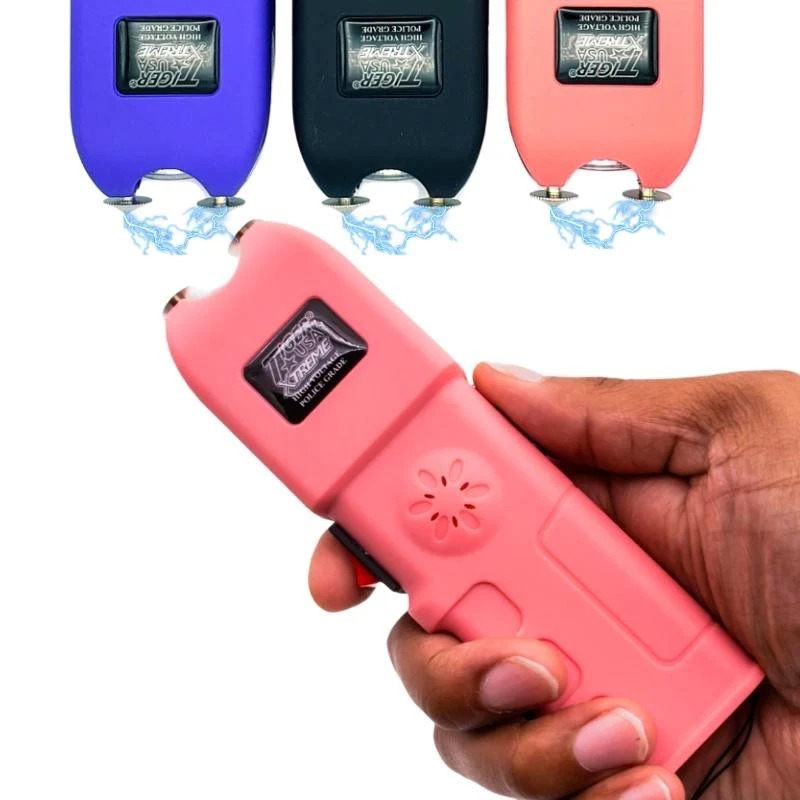
- Assessing Your Comfort Level: When determining the necessary voltage for a stun gun, it’s crucial to reflect on your own comfort level with self-defense tools. Some individuals may feel more confident carrying a stun gun with higher voltage due to the perceived effectiveness it brings in threatening situations.
- Understanding Personal Risk Factors: Consider your own personal risk factors. Individuals who live in high-crime neighborhoods or who often travel through unsafe areas should evaluate whether a higher voltage stun gun can provide the reassurance they need to stay safe.
- Feeling Empowered: A higher voltage stun gun can enhance feelings of empowerment for individuals who are particularly vulnerable. For instance, those who often walk alone at night or who have experienced past threats may find greater psychological comfort knowing they have a device capable of delivering a stronger incapacitating effect.
- Training and Responsiveness: It is essential to pair your personal comfort level with adequate training. An individual should feel comfortable not only carrying a stun gun but also using it effectively in a high-stress situation. Higher voltage devices may require more understanding of operational dynamics to ensure appropriate response behavior.
- Mental Readiness: Ultimately, the best device is one that instills confidence. Take the time to consider how you might react in a confrontation and whether a stun gun with higher voltage would make you feel more secure or potentially escalate a situation.
Assessing Environment
- Understanding Your Surroundings: The environment in which you anticipate using a stun gun significantly influences your choice of voltage. Urban areas, characterized by higher crime rates, pose different risks than suburban or rural locations.
- Urban Environments: In urban settings where violent encounters may be more prevalent, opting for a stun gun with greater voltage is often advisable. These environments require devices that can incapacitate an aggressor quickly and effectively, providing a greater sense of security amidst potential threats.
- Suburban and Rural Areas: For those in suburban or rural settings where incidents of crime are lower, the need for high voltage might be less pressing. In these cases, a stun gun with moderate voltage may suffice, as confrontations are less likely to occur.
- Situational Awareness: Location is just one aspect. It’s also critical to consider situational awareness. An area with many pedestrians or evening activities could present a different risk profile compared to quieter locations.
- Adjusting to Change: Be conscious of how locations can change. Just because a neighborhood is safe today does not mean it will remain so in the future. Regularly reassessing your environment will help you determine if your stun gun’s voltage needs to be adjusted accordingly.
Voltage Level Recommendations
Low-Voltage Models
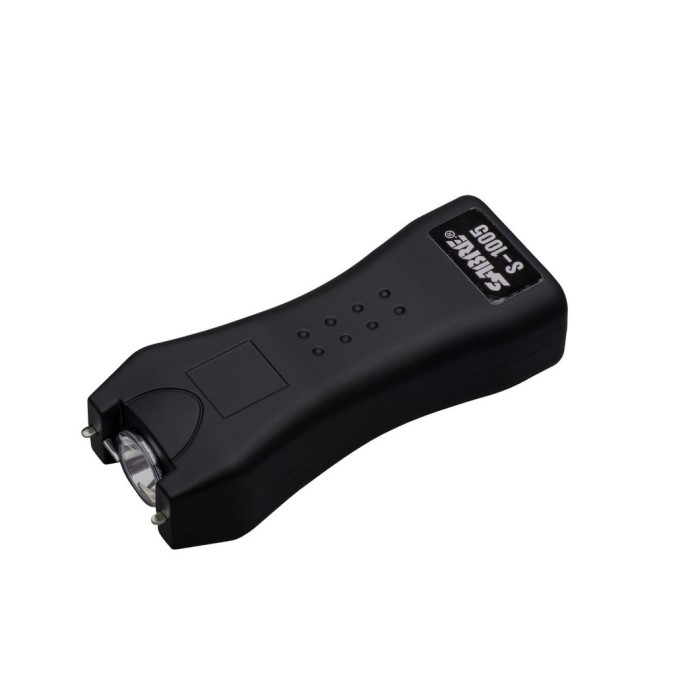
- Overview of Low-Voltage Stun Guns: Stun guns that operate around 50,000 volts are typically designed for home protection or low-risk scenarios. Their lower voltage makes them particularly suitable for individuals who may not face high levels of threat regularly.
- Effectiveness Against Minor Threats: These devices can effectively deter minor threats such as aggressive but non-lethal confrontations. For example, if someone is acting suspiciously or trying to intimidate you, a low-voltage stun gun can provide enough of a deterrent without causing severe harm.
- Safety Aspects: One of the advantages of using low-voltage stun guns is that they pose minimal risk of causing serious injury. This feature makes them ideal for self-defense situations where overwhelming force is unnecessary or undesirable. They can incapacitate without significantly endangering the attacker’s health.
- Ideal Usage Situations: Low-voltage stun guns are best suited for personal safety in familiar environments, such as one’s home or neighborhood. They can serve as an effective means of self-defense during routine activities like walking in a park or returning home at night.
- Affordability and Accessibility: Generally, low-voltage stun guns tend to be more affordable than their higher-voltage counterparts. This accessibility makes them an attractive option for individuals seeking an entry-level self-defense tool.
Medium Voltage
- Category Definition: Stun guns that operate within a voltage range of 100,000 to 300,000 volts strike a strong balance between effectiveness and safety. This level of voltage offers a versatile option suited for various personal protection situations.
- Incapacitation and Pain: Devices in this range can incapacitate an aggressor effectively. The electric shock typically causes sufficient muscle disruption to allow a targeted person to escape a threatening situation while inducing a painful response that discourages further aggression.
- Minimizing Health Risks: While still powerful enough to be effective, medium-voltage stun guns are designed to minimize health risks associated with discharge. They provide a safer profile compared to much higher voltage devices, making them suitable for self-defense applications.
- Common Use Cases: These stun guns are ideal for individuals who work late hours, travel frequently, or live in areas with a moderate risk of crime. They serve well in high-stress scenarios where you require enhanced protection without excessive risk.
- Balancing Power and Control: The voltage range facilitates a controlled response. Users will find that moderate voltage models allow for effective deterrence while still providing versatility in handling different types of confrontational situations.
High Voltage Models
-
Characteristics of High-Voltage Stun Guns: For those who demand the utmost in personal protection, stun guns exceeding 1 million volts deliver a significant deterrent effect. These devices are designed to incapacitate threats quickly and effectively.
- Psychological Deterrence: The sheer power of high-voltage stun guns often acts as a potent psychological deterrent. The knowledge that an assailant could face extreme discomfort or incapacitation can prevent confrontations before they escalate.
- Appropriate Situations for Use: High-voltage stun guns are particularly useful in high-risk environments. For professionals who may encounter aggressive individuals regularly, such as security personnel or those working in troubled areas, these devices provide peace of mind.
- Importance of Training: Using high-voltage devices effectively requires proper training and a comprehensive understanding of the operational dynamics. Users should be educated about when and how to deploy the stun gun to ensure it is used appropriately and responsibly.
- Potential Risks: With greater power comes responsibility. Inadequate understanding or misuse can lead to unintended harm, making training essential. Knowing the limits of how to deploy such a device effectively can reduce the risk of legal repercussions and ensure user safety.
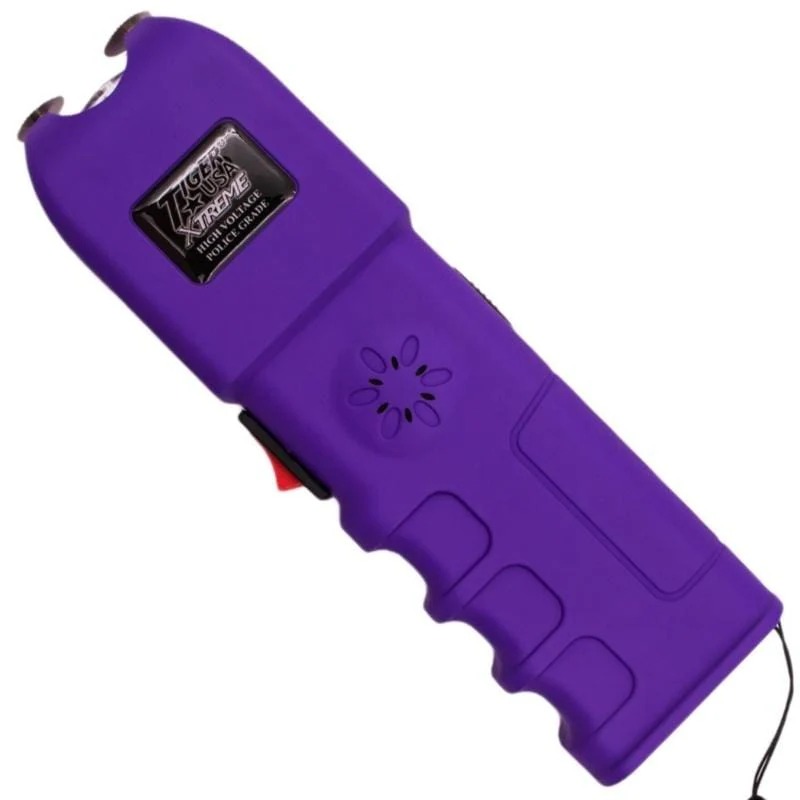
Frequently Asked Questions
What Is a Safe Voltage for a Stun Gun?
A safe voltage range for effective self-defense is generally around 100,000 volts or more. Higher voltages significantly increase the ability to incapacitate without causing long-term harm when used properly.
How Many Volts Is a Stun Gun Compared to an Amp?
While voltage measures the potential for electrical energy, amperage indicates the actual flow of that energy. A common stun gun could have 1 million volts but only 2-4 mA, allowing for incapacitation without lengthy exposure.
Is 1.4 mA Good for a Stun Gun?
A stun gun with 1.4 mA could be considered low for effective self-defense. Generally, successful self-defense requires a higher amperage to ensure sufficient incapacitation alongside adequate voltage.
Conclusion
In conclusion, understanding stun gun voltage is essential for selecting an effective self-defense device. Voltage directly impacts a stun gun’s ability to incapacitate an assailant, making it a critical factor to consider. Higher voltage ratings typically correlate with better performance in real-life situations. However, with this power comes the responsibility to use stun guns safely and responsibly. By educating yourself on the capabilities and limitations of stun gun voltage, you can make informed choices that align with your personal safety and self-defense needs. Whether you’re considering purchasing a stun gun or simply seeking to understand the mechanism behind it, awareness of voltage is pivotal in enhancing personal protection.